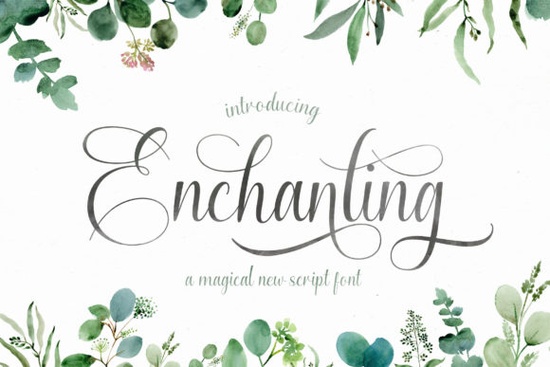
If you're looking for a handwritten script font that feels both elegant and personal, Enchanting Script Font offers a refined touch that works beautifully across logos, quotes, and branding projects. Its flowing letterforms carry a timeless charm ideal for designers who want to add warmth without sacrificing professionalism.
What makes this font stand out is its attention to detail. Every character includes subtle flourishes and natural variations, mimicking the rhythm of real handwriting. Whether you're designing wedding invitations, custom mugs, or social media graphics, Enchanting Script brings a sense of authenticity that generic fonts often miss.
Why does PUA encoding matter for script fonts?
Enchanting Script is PUA (Private Use Area) encoded, which means you can easily access alternate glyphs, swashes, and stylistic sets directly through your design software no need to dig through character maps or install extra files. This feature saves time and gives you more creative control, especially when crafting unique wordmarks or decorative phrases.
For example, typing “love” might automatically include a delicate tail on the final “e,” but with PUA encoding, you can swap in a longer swash or a looped variant with just a few clicks in apps like Adobe Illustrator or Canva (with OpenType support). This flexibility is why many creators prefer PUA-encoded fonts for client work or print-on-demand products.
How does it compare to other handwritten scripts?
Not all script fonts strike the right balance between readability and personality. Some lean too casual; others feel overly ornate. Enchanting Script sits comfortably in the middle it’s graceful but not fussy, distinctive but still legible at smaller sizes.
If you’ve liked fonts like Cherry Font for its playful bounce or Natural Handwriting Font for its organic flow, you’ll appreciate how Enchanting Script refines those qualities into something more polished. It shares the friendly vibe of You Are My Rainbow Font but with cleaner lines, making it better suited for professional branding. And unlike heavier options like Thick Font, it maintains lightness and airiness perfect for minimalist designs or layered compositions.
Who should use Enchanting Script?
- Small business owners creating logos, packaging, or signage that needs a personal yet trustworthy feel.
- Print-on-demand sellers designing quote mugs, tote bags, or wall art where elegance sells.
- Crafters and DIYers making greeting cards, scrapbook titles, or vinyl decals for Cricut/Silhouette machines.
- Graphic designers seeking a reliable script for client projects that require both style and versatility.
Because it includes uppercase and lowercase letters, numerals, punctuation, and extended language support, it’s practical for real-world use not just decorative headlines.
Tips for using Enchanting Script effectively
- Pair it wisely. Combine it with a clean sans-serif (like Montserrat or Lato) to create contrast and improve readability.
- Avoid all caps. Script fonts shine in sentence case or title case uppercase letters often lose their fluid connection.
- Use swashes sparingly. While the extras are beautiful, overusing them can clutter your design. Save them for initials or final letters.
- Test at different sizes. What looks lovely at 72pt might become hard to read at 12pt. Always preview in context.
If you enjoy this style, you might also explore other script fonts in the same family for matching weights or complementary designs.
Ready to try it? Before downloading, check that your software supports OpenType features (most modern design tools do). Then experiment with short phrases your name, a brand tagline, or a favorite quote to see how the alternates transform your layout.
Quick checklist before you start:
- ✅ Confirm your design app supports PUA/OpenType (Illustrator, InDesign, Affinity, newer Canva Pro, etc.)
- ✅ Pair with a neutral, readable secondary font
- ✅ Use tracking/kerning adjustments to fine-tune letter spacing
- ✅ Export mockups at actual print or screen size to test legibility
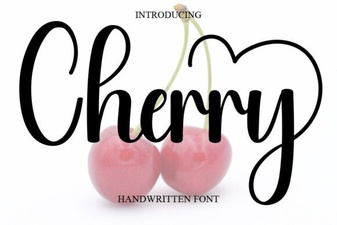 Cherry Font for Modern Design Projects
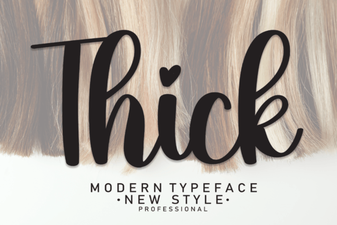 Thick Font Design: Adding Impact to Your Projects
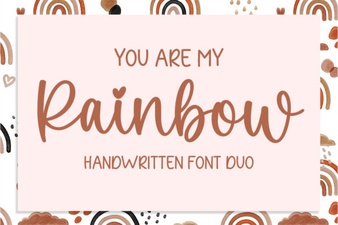 You Are My Rainbow Font Download & Design Guide
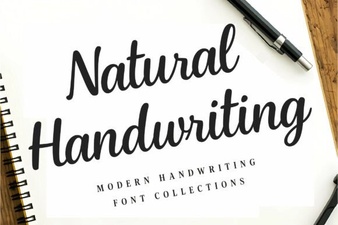 Natural Handwriting Fonts for Design Projects
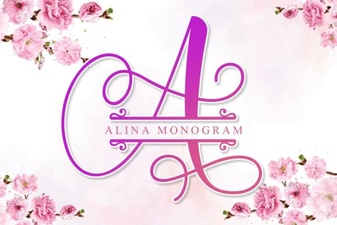 Alina Monogram Font for Elegant Branding & Design
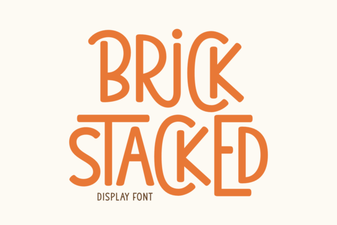 Design Your Site with Stacked Brick Typography